

Marine Oil Pump Fitment and Interchange
Matching a marine engine oil pump to your engine starts with the nameplate, not with a photograph. This page shows how Item No. 00099 is specified, which details we confirm against your engine record before quoting, and how the pump sits inside a wider basket of marine spare parts ordered for the same dry dock.
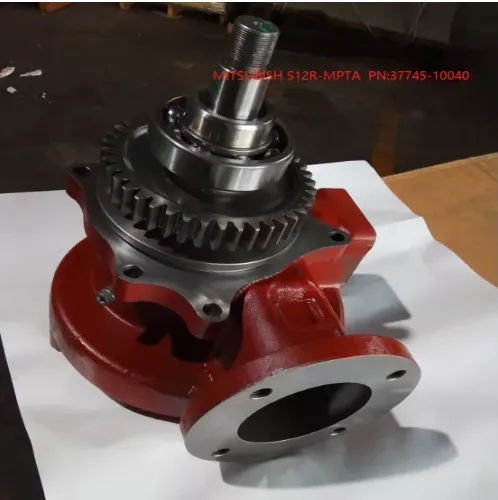
Pump role map
Where the pump sits decides what we confirm first
Two questions change the answer: which engine the pump lubricates, and why you are replacing it. Settle both and the data request narrows immediately.
Main engine lubrication
The product page lists main engine systems among the applications this pump serves, and describes it as delivering consistent pressure and flow for heat dissipation and friction reduction. Main engines carry the propulsion load, so the lubrication duty and the maintenance window are usually planned around the docking schedule.
Confirm first: engine make, model and serial number.
Auxiliary engine lubrication
The same page states compatibility with auxiliary engine systems as well. Auxiliary sets sit in tighter spaces, so access and mounting room often matter more than the engine rating. Because actual compatibility depends on your engine model, the pump position belongs on the request from the start.
Confirm first: engine model plus main or auxiliary position.
Scheduled replacement
A pump swapped during a planned overhaul gives you time to send a drawing, a casting number or a photograph of the unit being removed. The page positions the pump as a preventive-maintenance replacement component, which fits a planned lubrication renewal rather than an emergency.
Confirm first: part or casting number of the unit being replaced.
Breakdown replacement
When a pump fails at sea, the page's emphasis on ease of maintenance and reduced operational cost and downtime is what you are buying. Speed now depends on clean identification, so send the engine serial and a clear photo of the failed unit rather than guessing at a match.
Confirm first: engine serial plus a photo of the failed pump.
What the page states
Documented facts versus details we confirm per inquiry
The product page is candid about what it publishes. Here is the split, so you know exactly what a quotation will add.
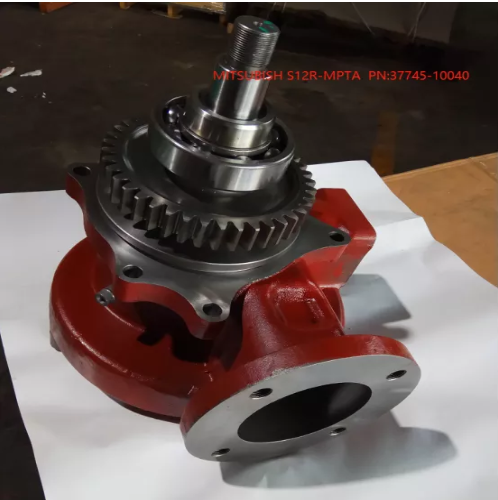
Item No. 00099, listed under marine items supply on the same catalogue as the rest of the engine-room range.
Documented on the product page
- Engineered according to OEM specifications
- Robust materials compatible with harsh marine environments, meeting industry standards for durability and corrosion resistance
- Consistent pressure and flow for heat dissipation and friction reduction, including under varying load
- Structural resilience to vibration and saline exposure
- Modular, compact design for installation inside complex engine assemblies
- Listed for main and auxiliary engine systems
- Suitable for new builds and retrofit projects
- OEM-quality interchangeability that reduces the risk of part mismatches
- Integrates with monitoring and control systems for real-time performance feedback
Confirmed per inquiry
- Flow capacity
- Operating pressure range
- Material grade and specification
- Mounting dimensions
- Exact part or casting number
- Matched engine model
Selection criteria
Four factors that decide the match, and the data each one needs
Every factor below is drawn from what the product page states. None of them can be settled from a picture, which is why each row ends with what we need from you.
OEM specification alignment
The pump is described as engineered to OEM specifications and supplied according to them. That is a statement about build standard, not a part number, so the alignment is proven against the number on the unit you are replacing.
The OEM part number from the existing pump or the engine manual, plus engine make, model and serial number.
Corrosion and vibration duty
Marine-grade materials are stated to meet industry standards for durability and corrosion resistance, with structural resilience to vibration and saline exposure. How hard those claims are worked depends on where the engine sits and how many hours it runs.
Engine-room position, running hours per year, and any known vibration, contamination or repeated-failure history on that unit.
Physical fit inside the assembly
The modular, compact design is aimed at complex engine assemblies. Whether a replacement slips into the same space is a measurement question, not a catalogue question, so it is settled with dimensions rather than a model name.
Mounting dimensions, port orientation and a photograph of the pump currently fitted to the engine.
Interchangeability with existing spares
OEM-quality interchangeability is claimed to reduce the risk of part mismatches and to streamline replacement. The check is made against the numbers cast or stamped on your old component, not against a description.
The casting or part number from the old pump, plus a drawing or a legible nameplate photo.
Cross-reference request
What to send, and what comes back
The pump page defers flow figures, pressure ranges and cross-references to the technical team. This is the exchange that resolves them.
What to send
- Engine make and model
- Engine serial number
- Pump position: main or auxiliary engine
- OEM part number or casting number from the existing unit
- Nameplate photo, drawing or clear image of the pump being replaced
- Quantity, vessel name and dry-dock or delivery date
What comes back
- A quotation for the matched pump, Item No. 00099
- Interchange confirmation checked against your part number
- The parameters the page does not publish: flow capacity, operating pressure range, material grade and mounting dimensions
- Lead time and shipping discussion for your destination
- An option to add further engine-room spares to the same inquiry
Send the engine record and the old part number together and the cross-reference check is resolved in one exchange.
Scenario to specification
Four buying situations, four different starting points
The same pump is specified in four different ways depending on why you are buying it. Find your situation and start with the data that decides it.
Planned main-engine pump renewal
Scheduled dry dock
Auxiliary set failure during a voyage
Unplanned downtime
New-build lubrication specification
Yard and design stage
Fleet spares standardisation
Multiple vessels, one order
Request a quotation
Send the engine record, get the pump matched
This is a quotation flow, not a checkout. Prices, availability and interchange confirmation are handled by the technical team once your engine details arrive, and bulk or customisation questions are answered in the same exchange.
Include these fields with your request
- Required product name and Item No. 00099
- Engine make, model and serial number
- Pump position: main or auxiliary engine
- OEM or casting part number from the existing unit
- Quantity required
- Vessel name and any technical or docking details
Related Products
Keep adjacent product options together for a faster catalog comparison.
Frequently Asked Questions
Does this pump have a published flow rate or pressure rating?
No numeric figures appear on the product page. it states that detailed technical parameters such as flow capacity and operating pressure ranges are designed to maximise engine efficiency, but no values are listed. send your engine model and we confirm the figures that apply to your unit before quoting.
Which engines will item no. 00099 fit?
The product page describes compatibility with a broad spectrum of marine engine platforms and states the pump suits main and auxiliary engine systems. it also notes that actual compatibility depends on your engine model, so send the engine make, model and serial number for confirmation.
Is it an oem part or an aftermarket equivalent?
The pump is described as engineered to oem specifications and as manufactured or supplied according to oem specifications. the page does not name a specific engine maker and publishes no part cross-reference numbers, so interchangeability is checked against the part or casting number on your existing unit.
Can it be used on new builds as well as retrofits?
Yes. the product page states the pump is suitable for both new-build and retrofit projects, and that its modular, compact design supports installation inside complex engine assemblies.
What should i include with a quote request?
Send the engine make and model, engine serial number, pump position (main or auxiliary), the oem or casting number from the existing unit, the quantity, and your vessel or dry-dock date. a nameplate photo or drawing helps the match get confirmed faster.
Can you supply other marine spare parts and handle bulk orders?
Requests can cover additional engine-room spares alongside the pump. for volume orders, customisation questions or shipping schedules, contact the team directly so availability and lead times can be confirmed for your destination.